Flowers have always played a meaningful role in wedding celebrations. From delicate bouquets to dramatic ceremony arches, floral arrangements help define the beauty and personality of the occasion. Floral wedding flowers are not only decorative elements; they create mood, express emotion, and connect every detail of the event into a unified design.
Also Read: Best Mid-Century Modern Floor Lamps 2026
Modern weddings often combine timeless floral traditions with contemporary styles. Couples now explore creative color palettes, seasonal blooms, textured greenery, and personalized arrangements to reflect their unique vision. Whether the wedding theme is rustic, luxurious, minimalist, garden-inspired, or classic, flowers remain one of the most important visual elements.
The selection of wedding flowers depends on many factors, including season, venue, budget, and personal preference. Some couples prefer soft pastel roses and peonies, while others choose bold tropical blooms or wildflower-inspired designs. Understanding how floral planning works can help create arrangements that feel elegant, practical, and visually balanced throughout the celebration.
floral wedding flowers are often chosen carefully to match the wedding theme, seasonal availability, and the overall atmosphere couples want to create for their special day.
Why Flowers Matter in Wedding Celebrations
Wedding flowers contribute far more than simple decoration. They help establish the emotional tone of the event from the moment guests arrive. Floral arrangements can make a venue feel romantic, sophisticated, fresh, or welcoming depending on the design style and flower selection.
Flowers also help connect different wedding spaces together. Ceremony flowers, reception centerpieces, bouquets, and table arrangements create visual harmony throughout the event. When colors and textures work together naturally, the wedding appears more polished and thoughtfully designed.
Another reason flowers are so important is their symbolic meaning. Roses often represent love, lilies symbolize purity, and hydrangeas reflect gratitude and understanding. Many couples include flowers that hold sentimental or cultural significance within their arrangements.
Professional floral styling can also transform simple venues into elegant spaces. Even minimal floral details placed strategically can create a dramatic impact without overwhelming the environment.
Popular Types of Wedding Flowers
Different flowers create different moods and aesthetics. Some blooms are known for luxury and softness, while others add texture and natural movement.
Roses
Roses remain one of the most popular wedding flowers because they are versatile and available in many colors. Garden roses, spray roses, and standard roses each provide different textures for bouquets and centerpieces.
Soft blush roses create a romantic atmosphere, while white roses offer timeless elegance. Deep red or burgundy roses are often used for dramatic evening weddings.
Peonies
Peonies are admired for their large, layered petals and luxurious appearance. They are commonly used in spring and early summer weddings because of their seasonal availability.
These flowers pair beautifully with roses, ranunculus, and greenery. Their soft texture works especially well in romantic and garden-style weddings.
Hydrangeas
Hydrangeas provide fullness and volume in arrangements. Because they are naturally large blooms, they can make centerpieces appear abundant without requiring excessive floral quantities.
White and blue hydrangeas are particularly popular in elegant wedding designs.
Tulips
Tulips bring simplicity and sophistication to wedding arrangements. Their clean shape makes them ideal for minimalist and modern weddings.
Spring weddings frequently feature tulips because they represent renewal and fresh beginnings.
Orchids
Orchids are often associated with luxury and refinement. Cascading orchid arrangements create dramatic ceremony backdrops and upscale reception designs.
They are commonly used in tropical, contemporary, and destination weddings.
Choosing Seasonal Wedding Flowers
Selecting flowers that are naturally in season often improves freshness, availability, and overall floral quality. Seasonal flowers also tend to blend more naturally with the environment and weather conditions of the wedding.
Spring Wedding Flowers
Spring weddings usually feature soft and romantic blooms such as:
- Peonies
- Tulips
- Lilacs
- Sweet peas
- Ranunculus
These flowers create airy and delicate arrangements with pastel tones.
Summer Wedding Flowers
Summer allows access to vibrant and colorful blooms including:
- Sunflowers
- Dahlias
- Zinnias
- Garden roses
- Delphiniums
Outdoor summer weddings often use bold floral palettes and lush greenery.
Autumn Wedding Flowers
Fall weddings embrace warm and earthy tones through flowers such as:
- Chrysanthemums
- Marigolds
- Dahlias
- Amber roses
- Burgundy carnations
Textured greenery and dried floral accents are also common during autumn celebrations.
Winter Wedding Flowers
Winter weddings often focus on elegance and sophistication using:
- White roses
- Amaryllis
- Anemones
- Orchids
- Evergreen foliage
These arrangements frequently feature metallic accents and candlelight-inspired styling.
Wedding Bouquet Styles
The bridal bouquet is one of the most photographed floral pieces during a wedding. Bouquet style should complement the dress, venue, and overall wedding aesthetic.
Round Bouquets
Round bouquets create a classic and symmetrical appearance. They are ideal for formal weddings and traditional ceremonies.
Cascading Bouquets
Cascading bouquets feature flowers that flow downward naturally. This dramatic style works beautifully in luxurious or romantic weddings.
Hand-Tied Bouquets
Hand-tied bouquets appear organic and relaxed. They are popular in rustic, bohemian, and outdoor weddings because of their natural shape.
Minimalist Bouquets
Minimalist bouquets often use fewer flowers with cleaner lines and simple color palettes. These bouquets are especially popular in modern weddings.
Floral Decorations Beyond the Bouquet
Wedding flowers extend far beyond bridal bouquets. Floral details throughout the venue help maintain visual consistency and elegance.
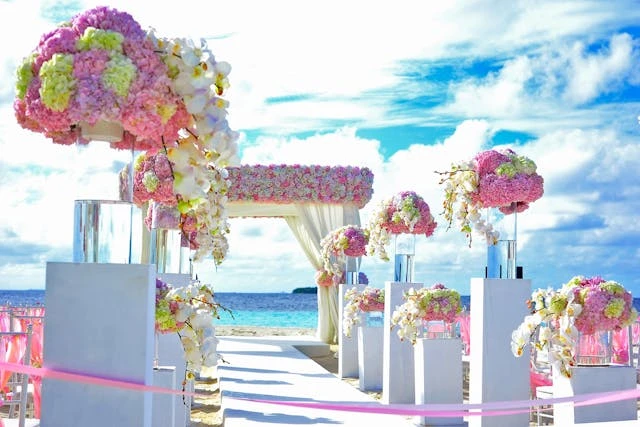
Ceremony Flowers
Ceremony arrangements often include:
- Floral arches
- Aisle flowers
- Entrance displays
- Altar arrangements
These floral elements create a memorable backdrop for wedding photographs and vows.
Reception Centerpieces
Reception flowers shape the atmosphere of the dining area. Tall centerpieces create grandeur, while low arrangements encourage conversation between guests.
Candles, greenery, and textured florals can add warmth and dimension to tablescapes.
Floral Installations
Large floral installations have become increasingly popular in modern weddings. Hanging flowers, suspended greenery, and floral chandeliers create dramatic visual experiences for guests.
Cake Flowers
Fresh flowers are often used to decorate wedding cakes. Simple floral accents can elevate even minimalist cake designs.
The Role of Greenery in Wedding Floral Design
Greenery has become a major trend in wedding styling because it adds texture, movement, and depth to arrangements. Many modern weddings combine greenery with fewer blooms to achieve a more natural and elegant appearance.
Popular greenery choices include:
- Eucalyptus
- Ruscus
- Ferns
- Ivy
- Olive branches
Greenery works especially well in outdoor weddings and garden-inspired themes.
It also helps soften formal spaces by introducing organic textures and natural color contrast.
Balancing Wedding Flower Budgets
Floral arrangements can represent a significant portion of wedding expenses, so thoughtful planning is important. Couples often balance luxury blooms with affordable flowers and greenery to create fuller arrangements without overspending.
Several factors influence floral costs:
- Flower seasonality
- Imported blooms
- Arrangement size
- Installation complexity
- Venue setup requirements
Choosing locally available flowers and focusing floral designs on key areas can help manage expenses effectively.
Repurposing ceremony flowers during the reception is another practical strategy many couples use.
Wedding Flower Color Trends
Color selection influences the emotional atmosphere of the wedding. Different palettes create different visual experiences for guests.
Soft Neutrals
White, cream, blush, and champagne flowers create timeless elegance and sophistication.
Bold Jewel Tones
Deep burgundy, emerald, plum, and navy-inspired palettes add richness and drama.
Earthy and Natural Tones
Terracotta, dusty rose, sage green, and muted peach are popular for rustic and bohemian weddings.
Monochromatic Floral Designs
Using varying shades of a single color creates modern and refined floral arrangements.
Sustainable Wedding Flower Practices
Sustainability has become increasingly important in wedding planning. Many couples now seek environmentally conscious floral practices that reduce waste and support local growers.
Eco-friendly floral approaches include:
- Using locally sourced flowers
- Avoiding floral foam
- Donating arrangements after the wedding
- Choosing reusable containers
- Selecting seasonal blooms
These practices can help reduce environmental impact while still creating beautiful floral designs.
How Floral Design Reflects Personal Style
Wedding flowers allow couples to express their personality and story through color, texture, and arrangement style. Some couples choose flowers connected to family traditions, favorite seasons, or meaningful memories.
Minimalist weddings may focus on simplicity and clean arrangements, while lavish celebrations may feature dramatic floral installations and layered textures.
Personalized floral details often create the most memorable visual experiences because they feel authentic rather than purely decorative.
Conclusion
Flowers continue to play a central role in wedding celebrations because they bring beauty, emotion, and artistic detail to every part of the event. From bouquets and ceremony arches to elegant reception centerpieces, floral arrangements help create unforgettable wedding atmospheres that guests remember long after the celebration ends.
Careful floral planning involves understanding seasonality, color harmony, venue design, and personal style preferences. Whether the goal is classic elegance, natural simplicity, or modern luxury, thoughtful flower selection can transform a wedding into a visually cohesive and emotionally meaningful experience.
Many couples spend time researching floral wedding flowers to better understand seasonal blooms, arrangement styles, and floral combinations that suit their wedding vision naturally.
FAQs
1. What are the most popular flowers used in weddings?
Roses, peonies, hydrangeas, tulips, and orchids are among the most popular wedding flowers. These blooms are versatile and work well in different wedding themes. Couples often select flowers based on season, color palette, fragrance, and the style they want to create throughout the celebration.
2. How far in advance should wedding flowers be planned?
Wedding flowers are usually planned several months before the wedding date. Early planning allows time to discuss seasonal availability, floral styles, and budget considerations. Final flower selections are often confirmed closer to the event to ensure freshness and coordination with other wedding details.
3. Why is greenery important in wedding floral arrangements?
Greenery adds texture, depth, and natural balance to floral designs. It helps arrangements appear fuller and more organic without relying only on flowers. Popular greenery choices like eucalyptus and ivy also create elegant movement and softness within bouquets, centerpieces, and ceremony installations.
4. Are seasonal flowers better for weddings?
Seasonal flowers are often fresher, more affordable, and easier to source compared to out-of-season blooms. They naturally complement the environment and weather of the wedding season. Seasonal flowers also tend to last longer during events because they are grown under ideal natural conditions.
5. How can couples reduce wedding flower costs?
Couples can manage floral expenses by using seasonal flowers, incorporating more greenery, repurposing ceremony arrangements, and focusing floral designs on key areas. Choosing locally available blooms and avoiding overly complex installations can also help create elegant wedding flowers within a realistic budget.