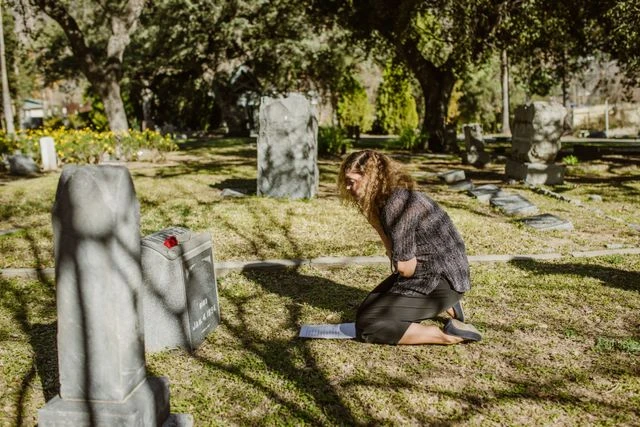
Organizing a funeral is a profound responsibility, offering loved ones an opportunity to come together, reflect, and celebrate a unique life. The funeral planning process is a journey that can be both emotionally challenging and deeply meaningful, as it allows families and friends to honor the person who has passed in a way that feels authentic to their values and character. Today’s families have a wealth of options, from traditional rites to eco-friendly green burial options, enabling creative and heartfelt celebrations that resonate with all generations. Thoughtful planning can turn what might feel like a solemn or overwhelming occasion into a meaningful gathering of remembrance and hope, helping attendees find comfort and connection during a time of loss.
Also Read: Choosing the Right Toronto Commercial Property Appraisal Experts
With so many choices available, arranging a personalized service requires attention to families’ emotional needs while also honoring their cultural, spiritual, or personal traditions. The process of tailoring a funeral involves listening closely to the stories and wishes of those closest to the deceased, as well as considering what made the individual special in both big and small ways. By focusing on these unique qualities—whether it’s a love of certain music, a particular sense of humor, or cherished community involvement—the planning experience becomes an opportunity for healing. Such thoughtful commemoration provides lasting comfort and strengthens connections among family and friends, ensuring the memory of the departed is lovingly and respectfully kept alive.
Personalizing the Funeral Service
Every person is unique, and a meaningful funeral service should reflect that individuality to offer a sincere farewell. Families are increasingly opting for services that capture the essence of their loved one’s passions, achievements, and lifelong values, rather than relying strictly on traditional formats. Personal touches, such as sharing favorite poems, selecting meaningful pieces of music, or even showcasing beloved hobbies and treasured mementos, help create an uplifting atmosphere. For many, these choices spark poignant memories and encourage attendees to view the service as a celebration of a life well-lived, rather than solely a moment of grief.
For example, a memory table filled with photos, hand-written notes, and keepsakes can foster connections and spark conversation as attendees share stories and recall special moments spent with their loved one. Some families may create visual displays or collages that recount milestones, travel experiences, or important relationships. Inviting family members or close friends to participate actively through eulogies, musical performances, readings, or coordinated rituals can add even more depth and meaning to the service. Participation helps guests feel involved, and being part of these moments often provides comfort and reassurance through a shared sense of purpose and remembrance. In these ways, a personalized funeral becomes a healing, memorable occasion that reflects the true spirit of the deceased.
Incorporating Cultural and Religious Traditions
Cultural and religious traditions offer both structure and meaning during life’s most difficult moments, serving as a vital source of strength and unity for mourning families. Whether the funeral calls for specific prayers, rites, rituals, or traditional attire, honoring these customs reinforces a shared identity and helps family members mourn authentically. Many religious observances bring comfort through familiar hymns, communal prayers, or symbolic acts such as lighting candles, creating an atmosphere where grief and hope can coexist.
Some traditions involve preparing special foods, burning incense, reciting blessings, or performing symbolic gestures that have been passed down for generations. These practices provide a framework for saying goodbye while grounding the experience in a sense of continuity and belonging. In many cultures that value remembrance, commemorative keepsakes such as memory booklets or digital photo albums help preserve legacies for generations to come. Respecting these practices can turn the service into a healing rite—a time when family, friends, and community members gather not only to mourn, but also to honor heritage and carry forward the values of the departed. Working with a funeral professional who understands or researches requisite traditions ensures the service remains both meaningful and respectful.
Utilizing Modern Tools in Funeral Planning
Technology has introduced new ways to honor loved ones and bring distant friends and relatives together in real time. In the digital age, families can utilize online planning portals to coordinate arrangements, share service schedules, and access logistical resources—all from the comfort and privacy of home. Virtual memorials and livestreaming capabilities allow those unable to attend in person to participate fully still, helping global families remain close despite physical distance.
Digital keepsakes, such as tribute videos and online guestbooks, extend the memory long after the funeral concludes. These digital legacies also provide a space for guests to share condolences, stories, and photos, ensuring the remembrance grows and evolves over time. Social media and custom websites make sharing information and meaningful memories easier than ever, allowing families to create a comprehensive virtual archive. By leveraging these accessible tools, modern funeral services can remain inclusive, meaningful, and adaptable—giving everyone who wishes to be part of the farewell the opportunity to contribute and stay connected, regardless of location.
Preplanning: A Thoughtful Gift for Loved Ones
Preplanning funeral arrangements delivers invaluable peace of mind and minimizes decision-making stress for grieving families. By making your wishes known in advance, you lift the burden of difficult choices from loved ones, freeing them to focus on supporting one another during a vulnerable and emotional time. Preplanning also allows you to lock in today’s prices, helping to avoid unforeseen financial strain or disputes when the time comes. This process naturally inspires essential conversations about legacy, personal preferences, and end-of-life values—topics that sometimes go unspoken until it’s too late.
Beyond practical benefits, preplanning empowers individuals with a sense of control and agency regarding their final arrangements. This process often includes discussions about preferred ceremonies, burial or cremation options, clergy or celebrant involvement, and personal touches. Though these conversations can seem difficult at first, many families express relief and gratitude for the clarity and reduced pressure they provide. In this way, preplanning becomes a meaningful act of love and foresight.
Engaging Funeral Professionals
Partnering with experienced funeral professionals offers families expert guidance at every stage of the process, ensuring both comfort and competence during a challenging period. Funeral directors are equipped to clarify a wide range of options, from traditional ceremonies to more unconventional or personalized celebrations of life, while also assisting families in navigating important legal and logistical matters. Their professional insight offers reassurance, helping families feel confident that every detail is handled with care and respect.
When choosing a provider, it’s important to verify their credentials, seek personal recommendations, and make sure they demonstrate sensitivity to cultural or religious customs. Many organizations provide free guides, calculators, and checklists to make planning less overwhelming; for comprehensive tips on selecting a funeral home, authoritative resources such as the AARP’s funeral resource center can help families avoid common pitfalls and make informed, confident decisions during a vulnerable time.
Conclusion
Planning a meaningful funeral is more than following tradition—it is about crafting a personal, supportive tribute that helps loved ones move forward together. By combining creative personalization, respect for tradition, and the benefits of modern planning tools, families can honor a life in a way that feels sincere and memorable. Thoughtful preparation, whether done ahead of time through preplanning or in the midst of immediate need, creates a foundation for healing and connection that will endure for years to come. Funeral planning can be a powerful, restorative act that celebrates a unique life and offers hope even in the face of profound loss.
For more advice on making decisions during mourning, major publications like The New York Times’ funeral guide offer practical support for families navigating grief and planning.